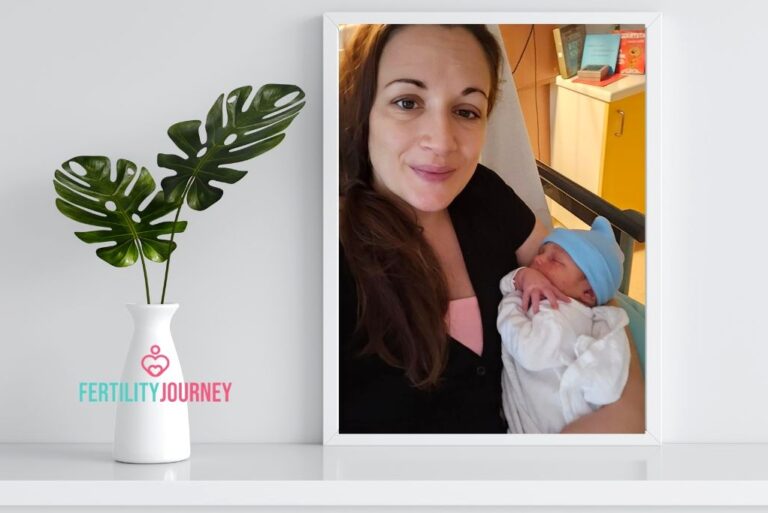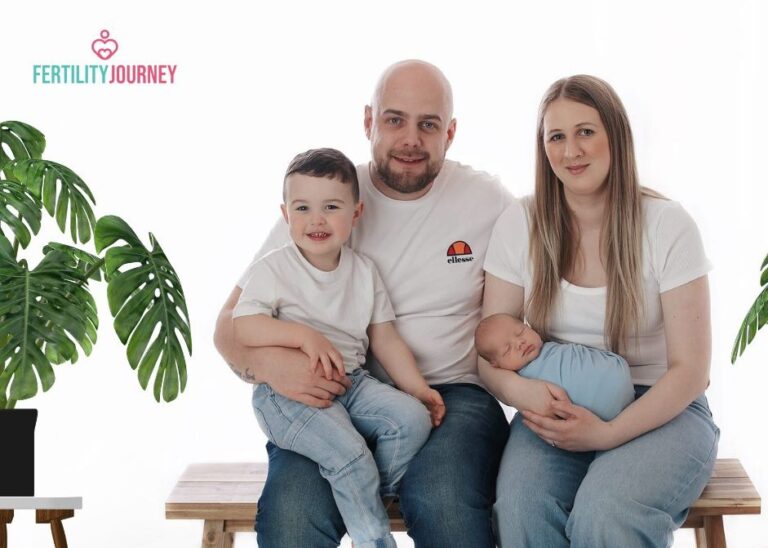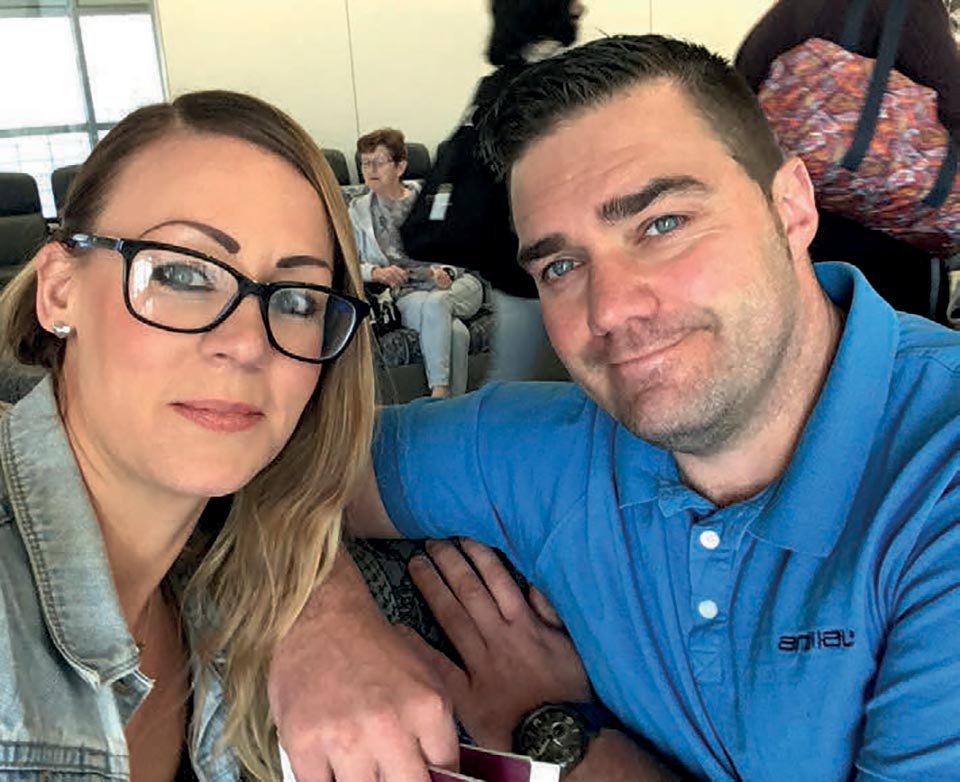
Kathryn Hobbs had always dreamed of being a mother. But when she discovered she had a rare balanced translocation of chromosomes 4 and 12—including an inversion on chromosome 4—that dream seemed to slip further and further away. The genetic counselor told her she was the only person they’d ever met with her particular chromosome arrangement. As you can imagine, she was devastated.
Through three PGD cycles, 85 eggs collected, and 58 embryos formed, only two were chromosomally normal. One pregnancy ended in a heartbreaking missed miscarriage discovered at the 12-week scan after seeing the heartbeat twice. The other embryo didn’t implant. After years of failed attempts and frustrated hopes, Kathryn and Richard faced an impossible choice: give up on their dream of biological parenthood, or find another way forward.
When IVF Spain selected them for the 2017 Fertility Journey project, it represented more than just another treatment cycle—it was a lifeline to the family they’d fought so hard to create.
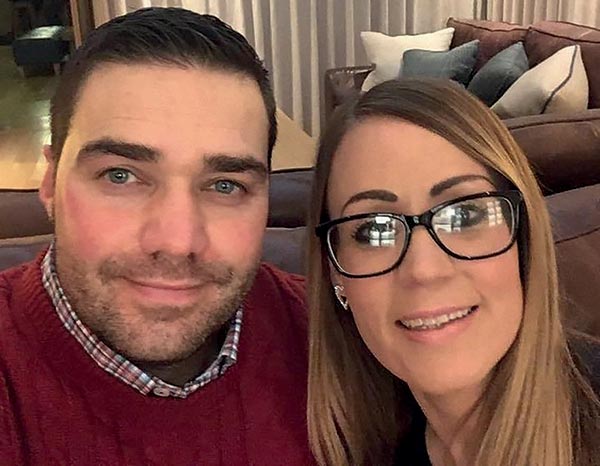
Years of heartbreak and a devastating diagnosis
Kathryn already knew before meeting Richard that conceiving naturally would be impossible. A laparoscopy performed two years earlier had confirmed her worst fears. Desperate to become a mother, she had even made an appointment at a local fertility clinic to offer herself as an egg donor, hoping to receive donor sperm and become a single mum.
But the tests revealed something far more complicated: a very rare chromosome arrangement—a “Balanced Translocation” of chromosomes 4 and 12, which included an inversion on chromosome 4. She was told she wasn’t a suitable candidate for egg donation and would need PGD/PGS treatment to have any chance of becoming a biological mother.
“I was told at the time by the genetic counsellor that I was the only person they’d met with my chromosome arrangement. As you can imagine, I was devastated by this!” Kathryn recalled.
When she met Richard on the dating website Plenty of Fish, she knew almost immediately that she wanted him to be the father of her child. “He would make a perfect dad and he loves children too,” she said. After only a few weeks of dating, she reluctantly told him about her fertility challenges and her desperate desire to have a baby. He became her rock, standing by her through every disappointment that followed.
A complex genetic challenge
Kathryn’s balanced translocation meant that most of her embryos would be chromosomally abnormal and unable to develop into healthy pregnancies. The only way forward was through PGD or PGS to identify the rare embryos that were chromosomally normal.
In the UK, Kathryn and Richard underwent one unsuccessful PGS cycle followed by three PGD cycles. The statistics were heartbreaking: 85 eggs collected, 58 embryos formed, but only two chromosomally normal embryos emerged from all that effort.
The first transfer—on their second cycle—resulted in pregnancy. For a brief, beautiful moment, their dream was coming true. They saw the heartbeat twice. But at the 12-week scan, they discovered it was a missed miscarriage. The devastation was almost unbearable.
Their other chromosomally normal blastocyst didn’t implant. Two of the cycles produced no suitable embryos at all.
When asked about the most difficult moments, Kathryn’s response painted a picture of relentless struggle: “The news of discovering that I have a balanced translocation; The travelling back and forth to London from Wales for treatment; The lack of chromosomally normal blastocysts formed; The waiting between cycles and stages of the treatment; The miscarriage after seeing the heartbeat twice; The fact that two of the cycles had no suitable embryos. The list goes on and on and on.”
Selected for a new beginning
When IVF Spain announced they had selected Kathryn and Richard for the 2017 Fertility Journey project, it represented hope after years of disappointment.
Kathryn and Richard would be traveling to Spain in May for their consultation, where they would meet Dr. Jon Aizpurua, founder of IVF Spain and an experienced gynecologist, along with Dr. Natalia Szlarb, the clinic’s medical director.
The couple was eager to experience firsthand the personal and warm treatment IVF Spain offered all patients—in their own language, so they could feel as comfortable as possible during such a vulnerable time.
IVF with egg donation in IVF Spain: a path to motherhood
By the time Kathryn applied for the Fertility Journey, she had accepted that she and Richard would never have a biological baby together. But egg donation offered something precious: the chance to experience pregnancy, birth, and motherhood to a newborn baby.
“It feels like the closest I will ever get to being a mum to a new-born baby. I’m 40 in 14 months and feel like my life is slipping away. I feel like I have now mourned the loss of our baby and am ready now to go down this new exciting route,” Kathryn explained.
IVF Spain specializes in egg donation treatments, all anonymous by law. The clinic maintains high success rates even in complex cases like Kathryn’s, whether dealing with repeated miscarriages, implantation failures, or genetic and immunological issues.
Their success rates have been certified by both the prestigious international certification body TÜV and the Spanish Society of Fertility (SEF), ranking among the highest in Spain.
Foundation support and specialized care
The foundation covered the cost of Kathryn and Richard’s consultation, necessary tests, and the exclusive egg donation treatment Kathryn would undergo.
IVF Spain recognized that the journey to parenthood is often underlaid with enormous difficulties. Many couples dream of having a family, but fertility problems create stress and emotional burden that can be overwhelming, especially when combined with financial constraints.
At IVF Spain, the team specializes not only in egg donation but also in complex cases exactly like Kathryn and Richard’s. They have developed protocols that allow them to reach success when facing the most challenging diagnostics, thanks to the fusion of advanced technology with experienced professionals in assisted reproduction.
Preparing for IVF treatment in Spain
As Kathryn and Richard prepared for their May consultation in Spain, they carried with them years of disappointment but also renewed hope. After everything they’d been through—the traveling back and forth from Wales to London, the endless waiting between cycles, the miscarriage, the failed transfers—they were ready to write a new chapter.
Richard had been Kathryn’s unwavering support through the stressful years of treatment. Now, they would face this new journey together, with the backing of IVF Spain’s expertise and the foundation’s financial support.
The clinic’s specialists would develop a personalized treatment plan for Kathryn’s egg donation cycle, drawing on their experience with complex cases and their commitment to achieving the highest possible success rates.
Hope for the future
IVF Spain expressed pride in being able to help Kathryn and Richard write the next chapter of their lives. As they stated: “We will put all our love, experience and professionalism so that this story has the happiest of endings.”
For Kathryn, who had mourned the loss of having a biological child and accepted this new path forward, the treatment represented not just medical intervention but the fulfillment of a lifelong dream—to finally become a mum.
The couple’s selection for the Fertility Journey project, in partnership with Fertility Road magazine and supported by the IVF Spain Foundation, meant that financial barriers would no longer stand between them and their dream of parenthood.
Words of encouragement through adversity
When asked what advice she would give to other couples going through similar situations, Kathryn’s response was simple but powerful: “Don’t give up I guess. I hope that this is the advice that I will be saying to myself in the near future.”
Her words carry the weight of someone who has faced devastating diagnoses, multiple failed cycles, a heartbreaking miscarriage, and years of disappointment—yet still found the courage to try again.
For couples dealing with rare genetic conditions, repeated treatment failures, or the difficult decision to move from trying for a biological child to egg donation, Kathryn and Richard’s story offers a reminder that persistence, the right medical team, and available support systems can open new pathways to parenthood.
Their journey illustrates that sometimes the path to becoming a parent isn’t the one we initially imagined, but it can still lead to the family we’ve always dreamed of creating.
One more story worth sitting with
IVF Spain Alicante: Em and Julie’s Journey to Motherhood After a Decade of Trying
IVF Spain Alicante: Laura and Ian’s Journey Through Immune Challenges to New Hope
IVF Spain Alicante: Laura and Ian’s Journey
Updated: 23.02.2026