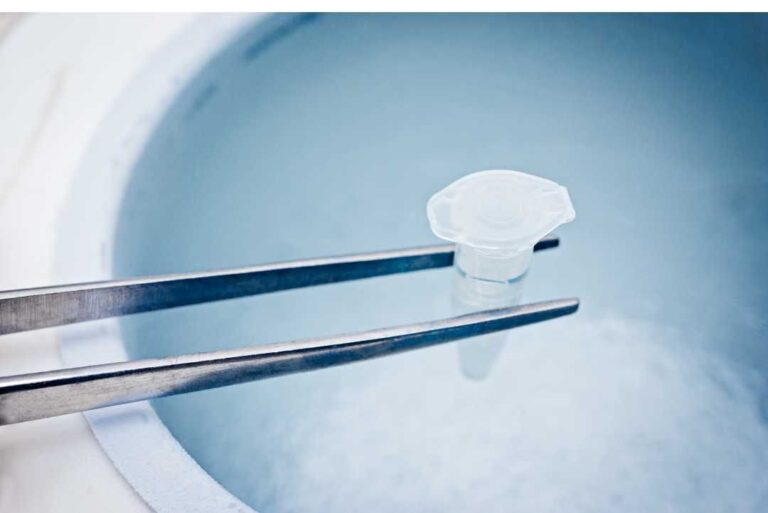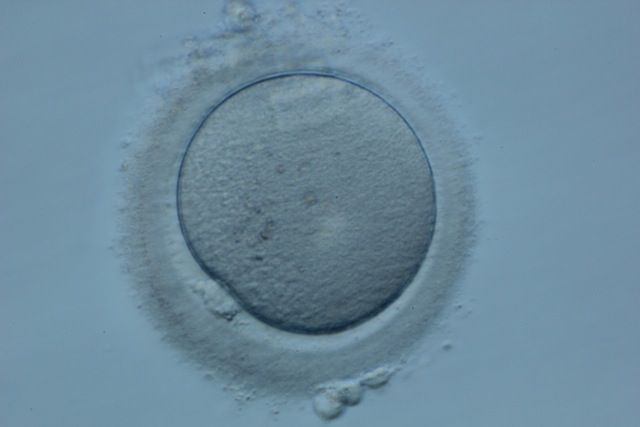
Egg donation is one of the most established and effective treatments within assisted reproductive technology, offering a real path to parenthood for individuals and couples facing specific medical fertility challenges. However, egg donation is not a one-size-fits-all treatment. Eligibility, donor type, age limits, anonymity, and even which IVF techniques are allowed all depend on national law.
This guide explains how egg donation laws differ by country, why these legal differences matter so much, and how they directly influence patient decisions to pursue IVF abroad.
Egg Donation Laws by Country – Summary
- Legal frameworks vary widely: Each country regulates egg donation differently, affecting anonymity, age limits, and donor rights.
- Anonymous vs open donation: Some countries allow only anonymous donors, while others permit or require identity disclosure.
- Compensation rules differ: Laws define whether donors may receive compensation beyond expenses.
- Cross-border IVF is common: Many patients travel abroad because of legal restrictions or limited options at home.
- Preparation is essential: Understanding the law in your chosen country is critical for ethical, legal, and emotional alignment before starting treatment.
Why Egg Donation Laws Matter So Much
Egg donation is a central part of assisted reproductive technology, but access to it is strictly shaped by legislation. What is possible in one country may be completely prohibited in another.
Key legal aspects that vary by country include:
- Maximum age of the woman undergoing treatment
- Donor anonymity versus identity-release or open donation
- Whether the ROPA method (Reception of Oocytes from Partner) is allowed
- Which additional IVF techniques can be included in a donor-oocyte cycle
- How much donor information can be shared, and at what stage
These legal differences strongly influence how patients experience treatment, what choices they have, and how predictable the process feels.
Practical considerations shaped by law
- Ethnicity of donors: Availability of donors from certain backgrounds varies by country
- Treatment structure: Fresh vs frozen eggs, number of oocytes per package, and embryo guarantees
- Add-ons and techniques: Whether options like advanced embryo monitoring or PGT-A are permitted
Because of this complexity, many patients choose IVF abroad to find a legal framework that better fits their medical situation and personal values.
Egg Donation Laws in Spain
Spain is one of the most established and popular destinations for egg donation treatment.
Legal framework and donor anonymity
- Egg donation is strictly anonymous
- Non-anonymous or partially open donation is not permitted
- Donor identity may only be revealed in rare cases of severe genetic illness, under strict medical authority
Donor age and limits
- Donors must be aged 18–35
- Maximum of six children per donor to avoid genetic overlap
Donor information disclosure
- No personal or identifying information is shared with recipients
Availability and ethnicity
- Broad donor availability, including Caucasian, Latino, African/Black, Arab, and Indian backgrounds (depending on region)
ROPA method
- Permitted for lesbian couples
Recipient age
- Typically up to 50, with some clinics accepting older patients based on medical assessment
Cost considerations
- Approximately €5,900–€8,500, depending on package structure and inclusions
Egg Donation Laws in the Czech Republic
The Czech Republic is widely chosen for its balance of medical expertise and affordability.
Legal framework and donor anonymity
- Egg donation is strictly anonymous
- No mixed or open donation systems are allowed
Donor age and limits
- Donors aged 18–35
- Maximum of five donation cycles per donor
Donor information disclosure
- Limited non-identifying traits may be shared at clinic discretion
Ethnicity availability
- Primarily Caucasian donors, with limited availability of other profiles
ROPA method
- Not permitted
Recipient eligibility
- Women up to 48 (+12 months)
- Single women are not eligible for IVF treatment
Cost considerations
- Typically €4,300–€5,500, depending on treatment package
Egg Donation Laws in Greece
Greece is a long-standing destination for egg donation with patient-friendly legislation.
Legal framework and donor anonymity
- Traditionally anonymous
- Since 2024, non-anonymous donors are legally possible, but availability is limited
- Mixed systems are not permitted
Donor age and limits
- Donors aged 18–35
- Maximum 12 children per donor (not applicable to international patients)
Donor information disclosure
- Basic non-identifying characteristics may be shared
Ethnicity availability
- Predominantly Caucasian donors, with some other ethnicities available
ROPA method
- Not permitted, although IVF for lesbian couples is possible under conditions
Recipient age
- Up to 54, with additional assessments for women over 50
Cost considerations
- Approximately €4,200–€6,000
Egg Donation Laws in North Cyprus
North Cyprus is known for its liberal reproductive legislation.
Legal framework and donor anonymity
- Strictly anonymous, with no exceptions
Donor age and limits
- Donors aged 21–35
- No formal limit on number of donations
Donor information disclosure
- Limited non-identifying characteristics may be shared
Ethnicity availability
- Very diverse donor pool, including Caucasian, African/Black, Asian, and Arab donors
ROPA method
- Permitted
Recipient age
- The maximum age for female recipients is set at 58, though additional approval and assessments by the Ministry of Health are required for those over 45
Cost considerations
- Typically €4,500–€5,000, excluding optional add-ons
Egg Donation Laws in Portugal
Portugal is known for its progressive reproductive legislation.
Legal framework and donor anonymity
- Non-anonymous system
- Children may access donor identity at adulthood under legal conditions
Donor age and limits
- Donors aged 18–35
- Maximum four donations per donor
Donor information disclosure
- No identity disclosure to recipients
Ethnicity availability
- Good diversity, including Hispanic, African/Black, and Arab donors
ROPA method
- Permitted
Recipient age
- Up to 50
Cost considerations
- Approximately €6,300–€7,300
Egg Donation Laws in Latvia
Latvia offers a clear and structured regulatory environment.
Legal framework and donor anonymity
- Strictly anonymous
Donor age and limits
- Donors aged 18–35
- Maximum three children per donor
Donor information disclosure
- Limited non-identifying details (e.g. education, skills) may be shared
Ethnicity availability
- Primarily Caucasian and Scandinavian donors
ROPA method
- Not permitted, though IVF for lesbian couples is possible
Recipient age
- No legal upper age limit; clinic-based medical assessment applies
Cost considerations
- Typically €6,000–€7,200
Egg Donation Laws in Denmark
Denmark is known for transparency and donor choice.
Legal framework and donor anonymity
- Both anonymous and open donation allowed
- Donors choose anonymity level
Donor age and limits
- Donors aged 18–35
- Recommended maximum of six donations
Donor information disclosure
- Identity disclosure possible in open donation cases
Ethnicity availability
- Strong availability of Scandinavian and Caucasian donors
ROPA method
- Permitted
Recipient age
- Typically up to 45
Cost considerations
- Approximately €7,000–€8,300
Choosing the Right Country for Egg Donation
Egg donation laws shape who can be treated, how donors are matched, what information is shared, and what future rights a child may have. Because of this, legal compatibility is just as important as medical suitability.
If you are unsure which country’s legal framework best fits your situation, personal values, and future expectations, careful comparison is essential before starting treatment.
Not sure which country’s laws fit your situation?
Use our clinic-matching tool to identify overseas egg donation clinics that align with your medical, legal, and personal needs.