IVF abroad can be safe when performed in well-regulated, experienced clinics with strong laboratory standards and proper patient screening.
Safety does not depend on geography alone. It depends on:
- Legal and regulatory oversight
- Medical assessment and eligibility screening
- Laboratory standards and embryo handling
- Donor screening protocols
- Follow-up care coordination
Patients who evaluate these elements carefully can access safe, effective, and often more affordable fertility treatment abroad.
IVF Abroad – Summary
- IVF abroad can be safe in regulated, experienced clinics
- Clinic standards matter more than country branding
- Laws, donor rules, and age limits vary by destination
- Laboratory quality directly impacts embryo safety
- Proper medical screening reduces complications
- The safest option aligns with your age, diagnosis, and health profile
Why Patients Choose IVF Abroad
IVF abroad is usually chosen for multiple reasons, not just cost.
Common factors include:
- Lower treatment costs compared to home country
- Shorter waiting times
- Access to donor eggs
- Access to advanced procedures
- Different age limits or eligibility rules
- Experienced, internationally trained doctors
- Transparent treatment packages
For many patients, traveling also provides emotional relief after delays or restrictions at home. A structured treatment timeline abroad can feel clearer and more proactive.
What Does “Safe” Mean in IVF Treatment?
When asking whether IVF abroad is safe, it’s important to define safety properly. Safety in fertility treatment includes several layers.
1. Medical Safety
- Comprehensive health assessment
- Individualized stimulation protocols
- Ongoing monitoring
- Age-appropriate health checks
2. Laboratory Safety
- Secure embryo handling
- Controlled laboratory environment
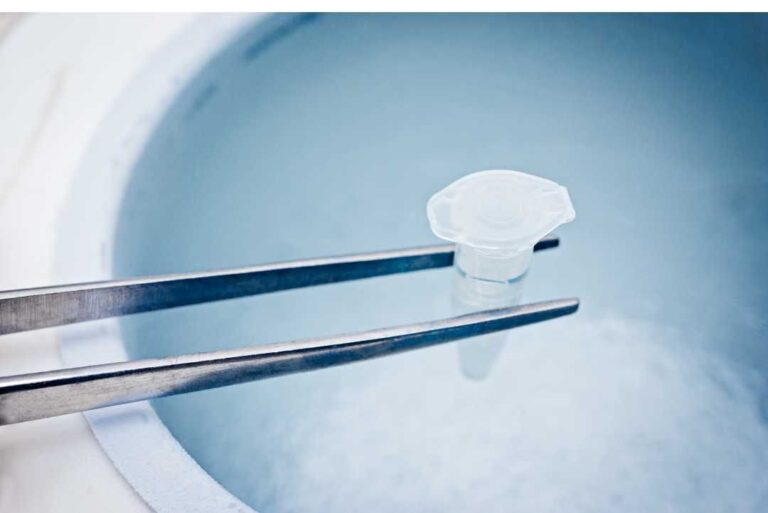
- Reliable cryostorage systems
- Traceability and identification protocols
3. Legal & Ethical Safety
- Clear donor regulations
- Documented consent procedures
- Defined embryo transfer policies
- Regulated eligibility rules
4. Continuity of Care
- Clear communication channels
- Post-treatment monitoring
- Coordination with doctors at home
A clinic may be affordable and well-known but unsafe if one of these dimensions is weak.
Key Considerations for IVF Abroad Safety
1. Legal & Regulatory Framework
Each country sets its own fertility regulations. These determine:
- Maximum patient age
- Donor anonymity or identity-release policies
- Eligibility for single women or same-sex couples
- Embryo transfer limits
Below are commonly chosen IVF destinations:
Spain
Known for strict regulation, advanced laboratories, and strong donor programs.
Average cost: €5,000–€6,000 per cycle.
Czech Republic
Combines affordability with modern clinics and international patient experience.
Average cost: €2,500–€4,500 per cycle.
Compare IVF Clinics in the Czech Republic
Greece
Offers broad treatment options and experienced specialists.
Average cost: €3,500–€5,500 per cycle.
North Cyprus
Known for flexible regulations and access to advanced procedures.
Average cost: €3,000–€4,500 per cycle.
Compare IVF Clinics in North Cyprus
Portugal
Growing IVF sector with modern laboratory techniques.
Average cost: €4,000–€5,000 per cycle.
Explore IVF Clinics in Portugal
India
Very low costs with a large medical tourism infrastructure.
Average cost: €900–€2,800 per cycle.
Legal structure influences how safely IVF is practiced and who can be treated.
2. Medical Assessment & Patient Screening
Safe IVF clinics require full medical evaluation before accepting patients.
Typical screening includes:
- Detailed medical history
- Hormonal testing
- Ultrasound assessment
- Infectious disease screening
- Age-related cardiovascular checks
Clinics that accept patients without proper assessment increase the risk of:
- Cancelled cycles
- Ineffective treatment attempts
- Pregnancy complications
Screening protects both patient and outcome.
3. Laboratory Standards & Embryology Safety
The IVF laboratory is central to treatment success and safety.
Important elements include:
- Accreditation and licensing
- Controlled air quality
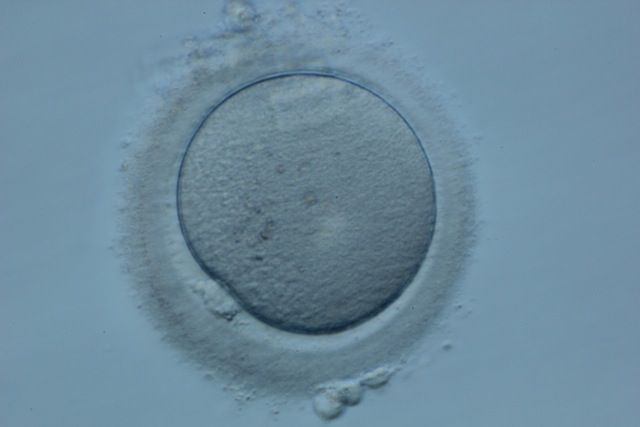
- Secure egg and embryo identification
- Robust cryostorage monitoring
- Clear chain-of-custody procedures
Laboratory quality affects embryo survival rates, vitrification success, and overall outcomes.
4. Donor Screening & Ethical Safety
For donor egg or donor sperm IVF, safety extends to donor protection and transparency.
Safe programs include:
- Medical and genetic screening
- Psychological evaluation
- Clear consent documentation
- Transparent legal framework
Patients should understand donor anonymity rules and how donor information is stored.
5. Travel & Logistics Safety
Travel itself is not inherently risky, but planning matters.
Consider:
- Duration of stay (often 2–4 weeks)
- Recovery time after procedures
- Language support
- Coordination with local doctors
- Post-transfer monitoring
Experienced fertility clinics often minimize travel by organizing testing before arrival.
Treatment Options Available Abroad
Not all clinics offer the same procedures.
Common options include:
- IVF with own eggs
- Egg donation
- ICSI
- PGT-A / genetic testing
- Embryo freezing and vitrification
Your age and diagnosis determine which option is most relevant and safest for you.
Is IVF Abroad More Successful?
IVF abroad can be highly successful in countries with:
- Advanced embryology laboratories
- Experienced fertility specialists
- Clear regulatory oversight
However, success depends primarily on:
- Patient age
- Diagnosis
- Embryo quality
- Treatment type (own eggs vs donor eggs)
- Clinic experience
There is no universal success rate. Outcomes depend on matching the right patient to the right clinic.
The Typical IVF Abroad Journey
Understanding the process reduces uncertainty.
- Step 1: Research and shortlist countries and clinics
- Step 2: Online consultation and treatment planning
- Step 3: Travel and treatment (usually 2–4 weeks)
- Step 4: Follow-up coordination with local doctors
Preparation and clarity reduce stress and support safer decision-making.
Is IVF abroad safe?
Yes, when performed in regulated clinics with strong laboratory standards and thorough medical screening.
Is IVF abroad riskier than IVF at home?
Not necessarily. Risks depend on clinic quality, medical protocols, and patient health not the country alone.
Can women over 50 have IVF abroad?
Age limits vary by country and clinic. Eligibility must be confirmed in advance.
Is donor egg IVF safe abroad?
Yes, when donor screening, legal protections, and medical protocols are properly structured.
How long do I need to stay abroad for IVF?
Most treatment plans require 2–4 weeks, depending on protocol and monitoring needs.
IVF Abroad Checklist
Before choosing a clinic abroad, confirm:
- Clear legal framework
- Full medical screening
- Accredited laboratory
- Transparent donor program
- Defined treatment timeline
- Clear cost breakdown
- Post-treatment coordination plan
The safest choice is not necessarily the cheapest. It is the one aligned with your medical profile and long-term health.
Struggling to Find an IVF Clinic Abroad? Connect with our Patient Care Advisor today!