IVF after the age of 38 is medically possible, but it requires a more nuanced, individualised approach than IVF at younger ages. Biological changes, emotional pressure, and practical decisions all intersect at this stage, making it essential for patients to understand not just whether IVF can work, but how it should be approached responsibly.
IVF Over 38 – Key Points
- Fertility decline accelerates after 38 due to egg quantity and quality
- IVF success rates with own eggs decrease steadily with age
- Tailored stimulation protocols and genetic testing become more relevant
- Health screening and aftercare are essential components of treatment
- Egg donation remains a valid alternative when chances with own eggs are low
- Emotional and psychological support is as important as medical care
Why Fertility Becomes More Complex After 38
Fertility after 38 is influenced by two primary biological factors:
1. Declining ovarian reserve (quantity)
Women are born with a finite number of eggs. As age increases, the remaining egg pool diminishes, and this decline accelerates in the late 30s and early 40s. Fewer available eggs often means:
- Fewer eggs retrieved during IVF
- Lower response to ovarian stimulation
- More cancelled or low-yield cycles
2. Reduced egg quality
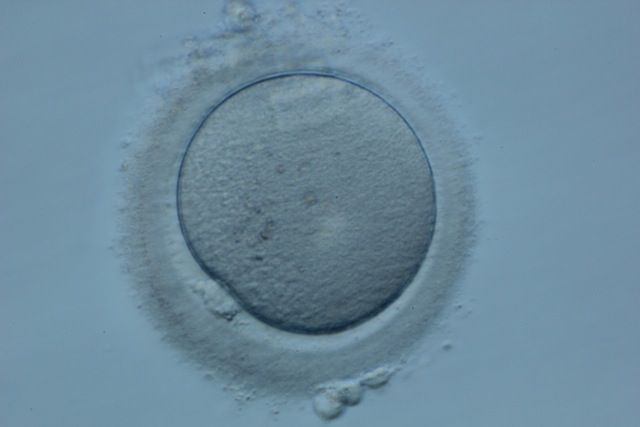
With age, eggs are more likely to carry chromosomal abnormalities. This directly affects:
- Fertilisation rates
- Embryo development
- Implantation success
- Miscarriage risk
Even when embryos form, the likelihood that they are chromosomally normal decreases significantly after 38.
IVF Success Rates With Own Eggs After 38
IVF success rates decline progressively with age when using a woman’s own eggs. While individual results vary based on health and fertility history, general patterns are consistent.
Typical pregnancy rates per IVF cycle
- Under 35: Often exceed 40–50%
- 35–39: Approximately 30–40%
- 40–42: Often around 10–20%
These figures highlight why treatment expectations must be adjusted with age. IVF after 38 is not about guarantees, it is about probability management.
How Age Affects Egg Quality and Quantity
Egg quantity (ovarian reserve)
- Naturally declines with age
- Influenced by genetics and medical history
- Directly impacts how many eggs can be retrieved during IVF
Egg quality
- Chromosomal abnormalities become more common
- Higher risk of miscarriage and genetic conditions
- Mitochondrial function may be compromised, affecting embryo development
While reproductive medicine can address some challenges, age remains one of the strongest predictors of outcome.
Tests Commonly Recommended Before IVF After 38
The baseline tests for women over 38 are largely the same as for younger patients, but their interpretation becomes more critical.
Core fertility and health tests
- Hormonal profile (including thyroid hormones and vitamin D)
- Ultrasound assessment
- Viral serology
- Karyotype testing
Genetic carrier screening
A recessive disease carrier test is often recommended to assess the risk of transmitting conditions such as cystic fibrosis, thalassemia, or fragile X syndrome.
The Role of Ovarian Reserve Testing
Ovarian reserve testing helps predict how a patient may respond to IVF stimulation and guides treatment strategy.
Common ovarian reserve tests
- AMH (Anti-Müllerian Hormone)
Estimates remaining egg supply and predicts response to stimulation - FSH (Follicle Stimulating Hormone)
Elevated levels may indicate diminished reserve - AFC (Antral Follicle Count)
Ultrasound-based estimate of available follicles
How results influence treatment
- Medication dosage adjustments
- Choice between conventional or mild stimulation
- Discussion of alternatives such as egg donation
- Setting realistic expectations from the start
Treatment Strategies Commonly Used After 38
Individualised ovarian stimulation
Older patients may require:
- Higher medication doses to recruit follicles
- Alternatively, mild stimulation to prioritise egg quality and reduce strain
There is no single “best” protocol — personalisation is key.
Preimplantation Genetic Testing (PGT-A)
PGT-A is frequently discussed for patients over 38 due to the higher rate of chromosomal abnormalities.
Potential benefits:
- Identifies chromosomally normal embryos
- Reduces miscarriage risk
- Improves selection when few embryos are available
Important limitations:
- Does not guarantee pregnancy
- Adds cost and complexity
- Must be considered in the context of ovarian reserve
Extended embryo culture and time-lapse monitoring
- Embryos are cultured to day 5–6 (blastocyst stage)
- Time-lapse systems allow continuous observation without disturbing embryos
- Helps select embryos with the highest implantation potential
These techniques are particularly valuable when embryo numbers are limited.
Ovarian rejuvenation (PRP)
Ovarian PRP involves injecting enriched plasma into the ovaries with the aim of improving the ovarian environment. It is considered experimental and may be discussed in selected cases, particularly after repeated failed transfers.
When to Consider Donor Eggs After 38
Using donor eggs is often recommended when:
- Ovarian reserve is severely diminished
- Multiple IVF cycles with own eggs have failed
- Egg quality is unlikely to support a healthy pregnancy
Success rates with donor eggs
Pregnancy rates per embryo transfer using donor eggs for women over 38 are often significantly higher, frequently exceeding 60%, because egg quality is linked to the donor’s age rather than the recipient’s.
This option can be emotionally complex but medically effective.
Risks of IVF and Pregnancy After 38
Fertility-related risks
- Fewer eggs retrieved
- Lower fertilisation and implantation rates
- Higher miscarriage risk
Pregnancy-related risks
- Gestational diabetes
- Hypertension and preeclampsia
- Placental complications
- Higher likelihood of caesarean delivery
Responsible clinics address these risks proactively through screening and monitoring.
Managing the Risk of Multiple Pregnancies
Older patients may face pressure to transfer multiple embryos to increase success chances. However, multiple pregnancies carry serious risks.
Current best practice
- Elective single embryo transfer (eSET)
- Advanced embryo selection to maintain success while reducing risk
This approach balances outcome goals with maternal and fetal safety.
How Many IVF Cycles Are Reasonable After 38?
There is no fixed number. Decisions depend on:
- Ovarian reserve
- Response to stimulation
- Embryo quality
- Emotional and financial capacity
Clinicians aim to balance persistence with realism, avoiding unnecessary physical or emotional strain.
Lifestyle Factors That Matter More After 38
Nutrition
- Balanced diet rich in antioxidants
- Adequate folic acid and vitamin D
Exercise
- Regular, moderate activity
- Avoid excessive or high-intensity training
Stress management
- Mindfulness, counselling, support groups
Sleep
- Consistent, adequate sleep supports hormonal balance
Lifestyle changes cannot reverse age-related fertility decline, but they can support overall treatment resilience.
The Role of Sperm Quality
Sperm quality significantly affects IVF outcomes, especially when egg numbers are limited.
Assessment tools
- Standard semen analysis
- DNA fragmentation testing
- FISH sperm testing for chromosomal abnormalities
When sperm issues are present, techniques like ICSI and PGT-A become even more relevant.
Emotional and Psychological Support After 38
IVF at this stage often carries:
- Heightened anxiety
- Fear of running out of time
- Emotional fatigue from prior treatments
Clinics that treat patients over 38 responsibly should offer:
- Psychological counselling
- Emotional support resources
- Clear, empathetic communication
Emotional care is not optional, it is part of ethical treatment.
Final Perspective
IVF over 38 is not about rushing into treatment or chasing guarantees. It is about:
- Understanding biological limits
- Using appropriate technology thoughtfully
- Making informed, ethical decisions
- Preserving physical and emotional well-being
With clear information and personalised care, many patients navigate this stage with confidence regardless of the path they ultimately choose.
You might be interested in reading: IVF Treatment Abroad for Women Over 40: What to Know