Last Updated: February 5, 2026
IVF and ICSI are the two most common assisted reproduction treatments offered worldwide.
They are accessible to single patients, same-sex couples, and heterosexual couples. While they share many steps, the main difference lies in fertilisation:
- IVF: eggs and sperm meet in the laboratory to fertilise naturally.
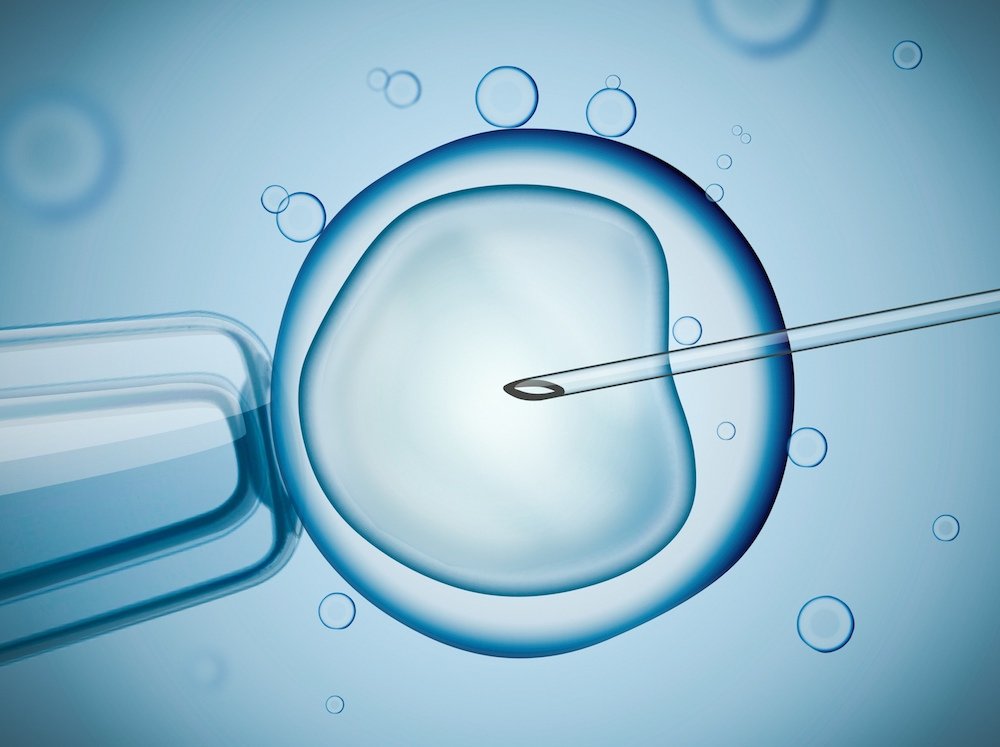
- ICSI: a single sperm is injected directly into an egg to achieve fertilisation.
IVF and ICSI: Key Points
- Both IVF and ICSI are widely offered by fertility clinics and accessible to single patients, same-sex couples, and heterosexual couples.
- Key difference: IVF relies on natural fertilisation in the lab; ICSI injects one sperm directly into an egg.
- IVF is commonly used for female-factor, unexplained, or general infertility.
- ICSI is most often used for male-factor infertility or after failed IVF attempts.
- Treatment choice depends on age, fertility history, and underlying cause, guided by a fertility consultant.
IVF and ICSI: the key difference explained
While IVF and ICSI share many steps, the critical difference is fertilisation.
- IVF: Eggs and sperm are placed together in a laboratory dish, allowing fertilisation to occur naturally.
- ICSI: A single sperm is selected and injected directly into an egg to achieve fertilisation.
Both methods can use a patient’s own eggs and sperm or donor gametes, and both are offered universally by fertility clinics.
Understanding IVF
IVF (in vitro fertilisation) has been in use for more than 40 years and remains the most widely recognised fertility treatment.
How IVF works
The IVF process involves:
- Collecting eggs from the woman’s ovaries
- Fertilising them in a lab dish with sperm
- Transferring the resulting embryo(s) back into the womb
Who IVF can help
IVF is a versatile treatment and may help:
- Women with blocked or damaged fallopian tubes
- Couples with unexplained infertility
- Patients who need donor eggs or donor sperm
- Single women and same-sex couples seeking treatment
Understanding ICSI
ICSI (intracytoplasmic sperm injection) transformed treatment options for male infertility. Instead of relying on sperm to penetrate the egg naturally, a single sperm is injected directly into the egg.
When ICSI may be suggested
ICSI is most often recommended in cases of:
- Low sperm count
- Poor sperm motility
- Abnormal sperm shape
- Previous failed IVF cycles
ICSI can also be used when donor eggs or donor sperm are involved. Many European clinics include ICSI as a standard technique within treatment packages.
The IVF Process: Step by Step
An IVF cycle includes several phases, typically lasting around four weeks:
- Ovarian Stimulation – Hormones stimulate multiple eggs to grow. Additional medication ensures eggs mature properly and prevents premature release.
- Egg Retrieval – Eggs are collected from the ovaries.
- Sperm Collection – Partner provides a sample, or donor sperm is used.
- Fertilisation – Eggs are fertilised using conventional IVF or ICSI.
- Embryo Transfer – An embryo is placed into the uterus, usually within 3–5 days.
- Pregnancy Test – About two weeks later, a test confirms whether implantation was successful.
Preparing for IVF or ICSI
Preparation is a crucial part of the journey. IVF can be demanding physically and emotionally, so patients are encouraged to focus on health and wellbeing.
Practical steps may include:
- Eating a balanced diet.
- Avoiding smoking and alcohol.
- Reducing caffeine.
- Considering vitamins and supplements.
- Exploring relaxation therapies like acupuncture or reflexology.
IVF or ICSI: Choosing a Path
While both procedures are highly effective, the choice depends on:
- Patient’s age.
- Medical and fertility history.
- Underlying cause of infertility.
A fertility consultant helps decide whether IVF or ICSI is the most appropriate treatment plan
What’s the main difference between IVF and ICSI?
In IVF, sperm fertilises eggs naturally in the lab. In ICSI, sperm is injected directly into the egg.
How long does a treatment cycle take?
Typically about four weeks from stimulation to pregnancy test.
When is ICSI recommended?
In cases of male infertility, low sperm quality, or previous failed IVF attempts.
Conclusion
Both IVF and ICSI provide solutions for individuals and couples facing fertility challenges. The right approach depends on diagnosis, history, and consultation with specialists.
Explore which treatment aligns best with your needs.
You might be interested in reading: IVF for Couples Dealing with Male Factor Infertility