Cost remains the single greatest barrier to IVF access worldwide — even as success rates reach record highs and global demand continues to surge.
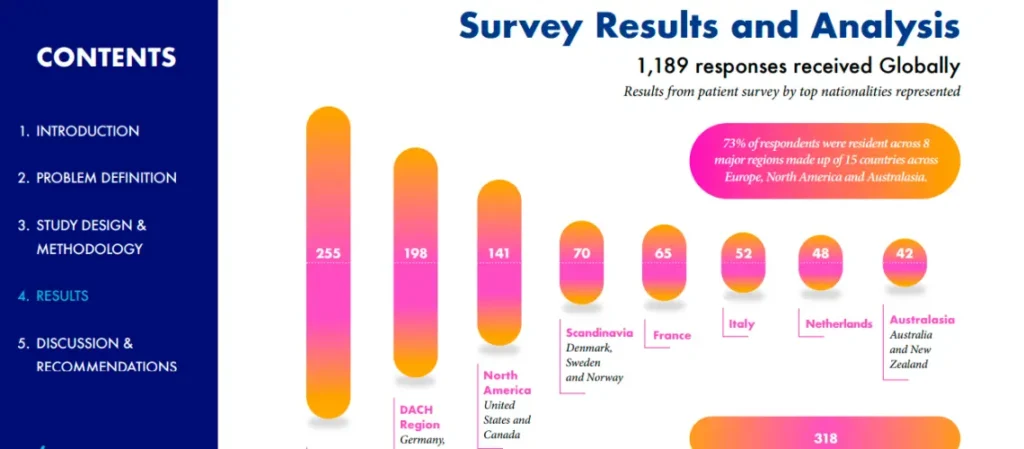
Executive summary: This article draws on a range of authoritative sources alongside original research conducted by IVF Media — an anonymous patient survey formulated by fertility industry experts, capturing 1,189 global responses to 19 questions between January and June 2024 to present a comprehensive, data-driven picture of where the global IVF market stands today and where it is headed.
KEY STATISTICS
- 41% of patients seek IVF treatment in another country primarily due to cost, making it the most commonly reported motivation worldwide. (IVFMedia)
- IVF has resulted in the birth of more than 10 million babies globally. (Yale Medicine)
- The number of ART cycles performed in the US has more than doubled over the past decade, growing from 190,840 in 2013 to over 435,000 in 2023. (CDC)
- Infertility affects a significant portion of the population across all income levels, with a lifetime prevalence of 17.8% in high-income countries and 16.5% in low- and middle-income countries. (WHO)
The latest IVF statistics from around the world
- With demand on the rise, the global fertility tourism market is projected to more than double in value — from $15 billion in 2025 to $31.5 billion by 2035. (Alvarez & Marsal)
- The global IVF market, valued at $25.3 billion in 2023, is expected to grow at an annual rate of 5.54% to reach $37.4 billion by 2030. (Grand View Research)
- Europe leads the global IVF market, holding a dominant 37.14% share in 2025. (Straits Research)
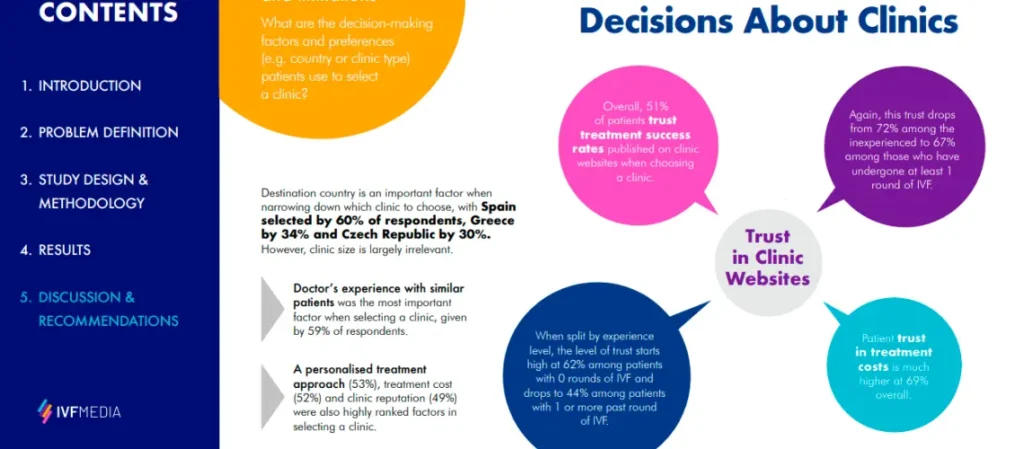
- Spain, Greece, and the Czech Republic rank as the world’s top IVF destinations, each drawing patients from distinct regions and countries around the globe. (IVFMedia)
5. In some countries, including the UK, Japan, France, Poland, and Australia, assisted reproduction treatments such as IVF, egg freezing, and donor conception already account for as much as 12% of all births. (Ferring)
6. Australia and New Zealand together recorded more than 112,000 IVF cycles in 2023. (Fertility Society of Australia and New Zealand)
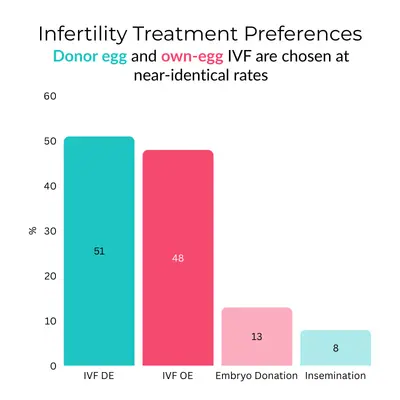
7. The split between donor egg IVF (51%) and own-egg IVF (48%) reveals that patients seeking treatment abroad have remarkably similar demand for both options. (IVFMedia)
8. Frozen non-donor procedures led the global IVF market in 2023, capturing the largest share of revenue among all procedure types. (Grand View Research)
9. Four in ten patients would choose a package deal for their IVF treatment abroad, with Australasians showing the strongest preference at 69%. (IVFMedia)
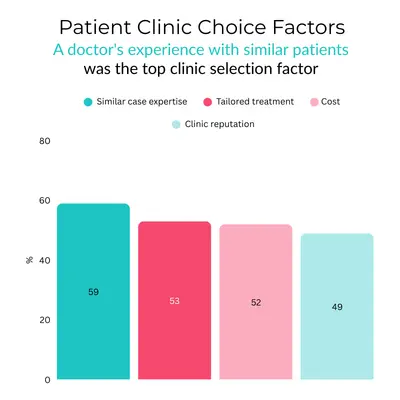
10. When choosing a clinic, 59% of women considered a doctor’s experience with similar patients to be the single most important factor. (IVFMedia)
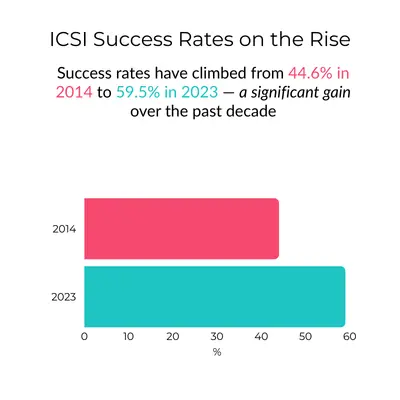
11. ICSI success rates have climbed significantly over the past decade, rising from 44.6% in 2014 to 59.5% in 2023. (Magna Scientia)
12. The live birth rate per embryo transfer cycle has steadily improved, rising from 28.0% in 2019 to 30.4% in 2023. (Fertility Society of Australia and New Zealand)
13. In the US, 37.5% of ART cycles successfully resulted in a live-birth delivery. (CDC)
14. Self-funded IVF treatment in private UK clinics costs nearly twice as much as NHS-provided care, averaging £12,977 compared to £6,990. (Taylor And Francis Group)
15. A single IVF cycle in the US typically costs between $15,000 and $20,000, rising to over $30,000 when donor eggs are used. (Straits Research)
16. The cost of IVF medications has surged by 84% since 2014, representing a dramatic rise in the financial burden of fertility treatment. (GoodRX)
17. For 31% of patients, €3,000 to €5,000 represents the ideal spending range for IVF treatment sought outside their home country. (IVFMedia)
Our mission is to provide clear, reliable, and accessible information to those seeking fertility treatment, especially patients exploring options abroad.
Aleksander Wiecki Chief Marketing Officer
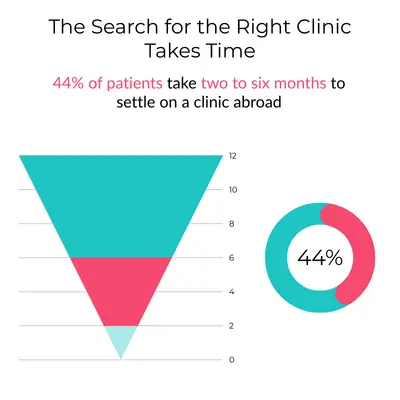
18. For 44% of patients, the search for the right clinic abroad takes from two to six months before a final choice is made. (IVFMedia)
19. A key market trend is the growing shift away from standard IVF procedures toward more technologically advanced treatments with enhanced embryo screening capabilities. (Straits Research)
20. The integration of artificial intelligence into IVF is improving treatment outcomes by replacing traditional manual embryo observation with data-driven, predictive selection methods. (Straits Research)
Why these findings matter
The data presented in this article reflects more than market growth — it captures a fundamental shift in how people around the world access, afford, and experience fertility care. As IVF medication costs rise by 84% and a single cycle in the US reaches up to $20,000, the financial barriers facing patients are not easing, they are intensifying. The result is a growing class of medical traveller: informed, research-driven, and willing to cross borders to make parenthood possible.
At the same time, the numbers signal an industry at a technological turning point. Rising ICSI success rates, improved live birth outcomes, and the emergence of AI-driven embryo selection suggest that the science of IVF is advancing rapidly — raising the prospect of better results for more patients at lower cost, particularly in destinations that have built their reputations on combining clinical excellence with affordability.
For healthcare providers, policymakers, and fertility clinics, these findings highlight both the scale of unmet demand and the opportunity it represents. For patients, they offer something equally valuable: the data needed to make informed, confident decisions about one of the most important journeys of their lives.
The links below bring together the most reliable information on infertility in one place
Infertility Statistics 2026: The Data Behind a Widespread Health Issue
23 Million Miscarriages a Year — And Up to 50% Still Have No Known Cause