IVF with your own eggs involves collecting eggs from the ovaries, fertilising them in a laboratory, and transferring resulting embryos into the uterus. This process may be recommended in several situations, and outcomes can depend on factors such as age, embryo quality, and individual medical history.
This guide is based on the webinar “IVF with Own Eggs: A Beginner’s Guide,” presented by Dr Harry Karpouzis, Founder and Scientific Director of IVF Pelargos Fertility Group.
Summary
- IVF involves fertilising eggs outside the body and transferring embryos into the uterus
- ICSI is used in specific situations, particularly when fertilisation risk is higher
- IVF is recommended in defined clinical scenarios (e.g., blocked tubes, male factor infertility, age-related decline)
- Success depends on age, egg number, embryo quality, and lab conditions
- Many interventions and add-ons remain selective, conditional, or not fully proven
- All treatment decisions are individualized
What Is IVF?
IVF (in vitro fertilisation) means fertilisation occurs outside the body in a laboratory.
Process:
- Eggs are collected from the ovaries
- Sperm is collected from the male partner
- Fertilisation occurs under controlled laboratory conditions
- Resulting embryos are transferred into the uterus
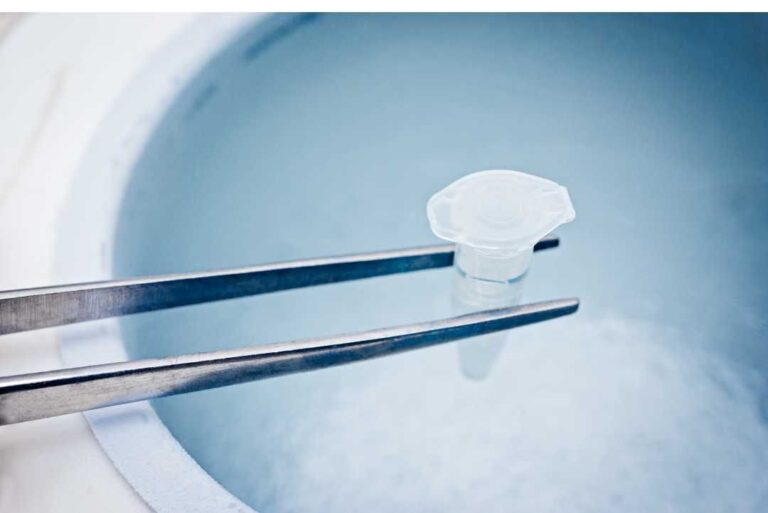
Remaining embryos can be frozen using vitrification, a fast-freezing method that does not compromise embryo quality.
IVF vs ICSI: Fertilisation Methods and Decision Logic
Two Approaches
Conventional IVF
- Eggs and sperm are placed together
- Fertilisation occurs naturally
ICSI (Intracytoplasmic Sperm Injection)
- A single sperm is injected directly into each egg
Decision Logic
- ICSI was originally developed for severe male factor infertility
- It is now commonly used even when sperm parameters are normal
If egg numbers are low:
- Failed fertilisation has a greater impact on the cycle
- ICSI may be preferred
If sperm quality is excellent and no hidden issues (such as DNA fragmentation or oxidative damage) are suspected:
- Conventional IVF may have advantages due to natural selection
In some cases:
- Eggs may be split between IVF and ICSI
Why IVF Is Used
IVF is recommended in specific clinical situations:
- Blocked fallopian tubes: natural conception is not possible
- Severe male factor infertility: low count, motility, or morphology
- Age-related fertility decline: reduced egg number and quality
- Endometriosis: IVF may offer the best chance of pregnancy
- Unexplained infertility: particularly after failed treatments
- PCOS: when ovulation induction or IUI has not worked
Treatment Positioning
- IVF is often advised after less invasive treatments fail
- In unexplained infertility with low ovarian reserve:
- Current clinical guidance does not strongly support IUI
- IVF may be more effective
When a Couple Is Considered Subfertile
- Under age 35: after 1 year of regular, unprotected intercourse without pregnancy
- Over age 35: after 6 months
Time-Sensitive Situations
- In older patients or when time is limited (for example, before cancer treatment):
- IVF may be recommended earlier
When IVF Is the Most Appropriate Option
IVF is often selected when:
- IUI or other treatments have failed
- Both fallopian tubes are blocked
- Ovarian reserve is low in unexplained infertility
- Rapid conception is medically necessary
The IVF Process
1. Ovarian Stimulation
Hormonal medications (similar to FSH and LH) stimulate follicle growth.
Approaches include:
- Conventional injectable stimulation
- Semi-natural cycles (tablets)
- Natural cycles (no medication)
2. Egg Retrieval
- Performed under sedation
- Minor procedure
- Eggs are collected from follicles
3. Fertilisation and Embryo Culture
- IVF or ICSI is used
- Embryos are cultured in the laboratory
- Often grown to blastocyst stage (day 5) for better selection
4. Embryo Transfer: Fresh vs Frozen
Fresh transfer
- Occurs in the same cycle
Frozen transfer
- Occurs in a later cycle
Decision Logic
Freeze-all may be used if:
- PCOS with high hormone levels
- Elevated progesterone on trigger day
- Endometriosis
- Inadequate endometrial thickness
In these contexts:
- Frozen transfers may result in equal or better success rates
Personalised Stimulation
Treatment is individualized based on:
- AMH levels
- Antral follicle count
- Hormone levels during stimulation
- Ultrasound monitoring
Adjustable factors:
- Medication dose
- Timing
- Trigger choice
- Time between trigger and egg retrieval
All of these can affect egg maturity and outcomes.
Using Your Own Eggs
Benefits
- Genetic link to the child
- Emotional value of biological parenthood
Limitations
- Success depends strongly on age and ovarian reserve
- After age 40:
- Egg quantity and quality decline significantly
- Success per cycle is reduced
Preparing for IVF
Baseline Tests
- AMH
- Antral follicle count
- Thyroid function (TSH ideally < 2.5)
- FSH, LH, oestradiol
- Semen analysis
- Ultrasound (fibroids, polyps)
Additional Tests (Selective)
May be considered depending on history:
- Sperm DNA fragmentation
- Thrombophilia screening
- Immunological testing
- Hysteroscopy
- Microbiome analysis
What Determines IVF Success?
1. Number of Eggs Retrieved
Age-dependent expectations:
- Under 35: around 12 eggs
- 35–37: 15–20 eggs
- 38–40: around 20 eggs
- Age 40: often more than 20 eggs needed for one chromosomally normal embryo
Interpretation:
- Pregnancy is still possible with fewer eggs
- Statistically, higher egg numbers improve chances, especially with age
2. Embryo Quality and Laboratory Factors
Important variables:
- Embryo grading
- Embryologist expertise
- Lab quality
- Time-lapse technology
Some clinics:
- Use AI systems to assist embryo selection and implantation prediction
Understanding PGT-A
PGT-A tests embryos for chromosomal abnormalities via biopsy.
Typically Considered In:
- Women over 40
- Recurrent miscarriages
- Recurrent implantation failure
Effects and Limitations
- May reduce miscarriage risk
- May improve success per transfer
- Does not increase cumulative pregnancy rates
Uncertainty and Tradeoffs
- Biopsy carries a small risk of embryo damage
- Results may include:
- Euploid
- Aneuploid
- Mosaic
- Mosaic embryos may still be transferable after genetic counselling
- Testing is not 100% accurate
- Some embryos classified as abnormal may still have resulted in pregnancy
When IVF Does Not Succeed
Further cycles are often required.
Additional Investigations May Include:
- Genetic testing
- Hysteroscopy
- Endometrial assessment
- Immunology
- Advanced sperm testing
Supportive Approaches
- Lifestyle modification
- Stress management
- Acupuncture
If Prognosis Remains Poor
- Egg donation
- Surrogacy
Looking to the Future
Emerging areas include:
- AI-based embryo selection
- Advanced endometrial testing
- PRP
- Mitochondrial therapies
- Stem cell research
Positioning:
- These approaches are evolving
- Some remain experimental or not fully proven
How many eggs are too risky during stimulation?
Severe hyperstimulation is now rare due to:
- Vitrification
- Freeze-all strategies
- Use of specific triggers
If hyperstimulation is suspected:
- All embryos are frozen
Medication doses can be adjusted
Estrogen levels and follicle numbers are monitored
Cycle cancellation due to high egg numbers is generally unnecessary today
Do you accept patients aged 55?
In Greece:
- Legal limit is 54
- Patients aged 55 and older cannot be treated
Can ICSI be harmful or less beneficial?
If sperm quality is excellent and no hidden issues are present:
- Conventional IVF may have advantages
If egg number is low or male factor exists:
- ICSI improves fertilisation and embryo development
Can illness affect egg quality?
- Mild cold without fever: no expected impact
- Severe illness (flu, COVID-19): possible effect, unclear evidence
Decision:
- Mild illness: do not delay
- Severe illness: depends on severity
Does IVF increase multiple pregnancy risk?
Yes, if multiple embryos are transferred
Can patients choose multiple embryos?
Depends on:
- Age
- Legal regulations
- Previous attempts
Risks of twin pregnancy:
- Hypertension
- Preeclampsia
- Gestational diabetes
- Cesarean section
If IVF fails, should we switch to ICSI?
Depends on fertilisation rate
If fertilisation is poor:
- ICSI is the next step
Complex case: adenomyosis, endometriosis, poor embryos
Downregulation helps, but timing matters
Preferred sequence:
- Stimulate ovaries
- Collect eggs
- Freeze embryos
- Downregulate before transfer
Pre-stimulation downregulation:
- May reduce egg numbers
Additional considerations:
- Immunological factors
- Chronic infection
- Sperm selection
- Possible surgery (rare, individualized)
Should there be a break between stimulations?
Usually:
- Wait for one full cycle
Depends on:
- Age
- Ovarian reserve
Exception:
- Poor responders may undergo double stimulation
How can egg quality be improved?
Lifestyle and diet may help
Supplements with some evidence:
- CoQ10
- Melatonin
- Vitamin D
- Folic acid
Limitation:
- Age and genetics are primary determinants
- No guaranteed improvement
Should you stop the pill before stimulation?
Case-dependent
Logic:
- Low reserve: may avoid pill
- PCOS: pill may help regulate
Timing:
- Stop at least 6 days before stimulation
How does embryo freezing work?
- Vitrification prevents ice crystal formation
- Most embryos survive
- Non-survivors are usually poor quality
Mini IVF at age 42 with low AMH
- Protocol is valid in low reserve
- Response determines future adjustments
- One cycle is considered experimental
Is PGT-A dangerous?
- Small risk of embryo damage
- Benefits increase with age
Not always used because:
- Not fully accurate
- May exclude viable embryos
- Less evidence in younger women
Expected eggs and embryos at age 35.5
- 9–15 follicles
- Approximately 9 eggs realistically
Outcome depends on:
- Egg quality
- Sperm quality
- Genetics
- Protocol
Herpes during sperm collection
- Does not transmit to embryo
- May affect sperm quality
- Does not require cancelling fertilisation
After multiple failed transfers, consider donor eggs?
Depends on:
- Embryo quality
- Underlying cause
If embryos are good:
- Investigate:
- Endometrium
- Infection
- Implantation window
- Immunology
Is day-3 embryo freezing outdated?
- Day 5 is preferred in high-quality labs
Reason:
- Natural selection occurs by day 5
- Day 3 may include embryos that would not progress