The short answer is: IVF is not usually painful, but some stages can cause mild to moderate discomfort that varies from person to person.
This article explains what patients can expect at each stage, helping to reduce uncertainty and avoid surprises.
IVF pain by stage: a quick overview
The table below maps each stage of the IVF process to its typical discomfort level and duration. Most infertility patients find the process more physically bearable than they expected, though the emotional experience can be harder.
| IVF Stage | Discomfort Level | Duration |
|---|---|---|
| Ovarian stimulation injections | Mild: bruising, soreness at injection site | 10–14 days |
| Transvaginal ultrasound monitoring | Minimal—brief pressure only | Throughout stimulation phase |
| Egg retrieval (follicular aspiration) | Moderate—managed by sedation; cramping afterwards | Cramping: 1–2 days. Bloating/fullness may persist for several days |
| Embryo transfer | Minimal to none | During procedure only |
| Progesterone supplementation | Mild soreness at injection site | Up to 8–10 weeks if pregnancy is confirmed |
| Two-week wait (after transfer) | Mild pelvic pressure, bloating, hormonal side effects | Days to a few weeks |
Do IVF injections hurt?
The injections are the part of IVF they dread most. However, most future parents find them far less painful than they imagined. During the ovarian stimulation phase, which typically lasts 10 to 14 days, patients self-administer injections (hormone medications) into the soft tissue of the abdomen or upper thigh.
The sensation is similar to a mild pinch. Common reactions might include:
- A brief stinging feeling at the injection site
- Mild bruising that may develop over the stimulation period
- Temporary redness or slight swelling at the site
- Bloating and a sense of fullness as the ovaries begin to respond
These are all normal. The discomfort from injections is generally low-grade and short-lived. Patients describe it as no worse than period cramps—or even less uncomfortable.
A Fertility Network UK survey found that 67% of women undergoing IVF reported the injections were not as painful as they had anticipated, with most describing the sensation as mild discomfort rather than pain.
Tips to make injections more comfortable:
- Rotate injection sites each day to prevent localised soreness
- Apply a numbing cream to the skin 30–60 minutes before injecting
- Inject slowly and steadily, breathing out
- Hold a cold pack to the site for a minute before and after the injection
IVF clinics provide a short training session on self-injection. After one or two attempts, the majority of patients feel confident doing this on their own.
Is egg retrieval painful?
Egg retrieval is the stage patients tend to feel most anxious about.
In IVF clinics, egg retrieval is carried out under sedation or general anaesthesia, so patients are comfortable throughout. Most are lightly sedated and feel nothing during the procedure itself, which typically takes 20 to 30 minutes. As Dr Cristina Gavilán (Instituto Bernabéu) explains, sedation means the patient does not feel pain during the procedure itself, but waking up is fast and smooth.
After the procedure, patients are moved to a recovery area where vital signs are checked, pain levels are assessed, and fluids are gradually introduced. If needed, pain relief medication is provided.
What symptoms are normal after egg retrieval
In the hours and days following retrieval, patients might experience:
- Mild to moderate pelvic cramping lasting 1–2 days
- A sensation of bloating or fullness in the lower abdomen
- Light spotting
- Fatigue from the sedation
These symptoms are a normal part of the body’s recovery and typically resolve quickly.
When to contact the IVF clinic
During the visit in an IVF clinic, ask a doctor what symptoms are normal and how long they will be lasting. However, in case of any concerns or wording the situation, contact your fertility doctor to discuss what can be done.
Does embryo transfer hurt?
Embryo transfer is one of the stages that worries patients the most—and yet it is typically the least physically uncomfortable part of the entire process.
No sedation is required for most transfers. A full bladder is needed to aid ultrasound guidance, which can add some pressure, but the procedure itself usually takes only a few minutes.
Women with a retroverted (tilted) uterus or a narrow cervical canal may experience slightly more discomfort, but this can be managed and the care team will be prepared for it.
Dr Tomas Frgala (UNICA Clinic): Unlike the oocyte pickup, the embryo transfer is much easier and in the vast majority of cases can be hardly felt—so it’s completely pain free. There might be some exceptions, especially if the uterus is sharply bent forward or backwards, but various techniques can be used to access the uterine cavity without any pain.
Alpesh Doshi (IVF London): Usually in 99% of cases, the embryo transfer is not painful. It’s just like a smear test—there shouldn’t be any gross discomfort. In cases where the uterus is retroverted or anteverted, putting the catheter in can be a bit uncomfortable, but usually it is very straightforward.
Dr Marcel Štelcl (ReproGenesis): Approximately 90% of transfers are painless, and only 10% are a bit painful. It is very individual. Some women are more sensitive, some less so, and it also depends on anatomic conditions. After the transfer, some women feel pain or pressure similar to period pain—this is quite common, and painkillers can be taken if the pain is strong. This is not a bad sign.
Dr Raúl Olivares (Barcelona IVF): In normal conditions it shouldn’t be painful at all. The only uncomfortable element is the speculum. The catheter is very thin—about half a millimetre—and unless there is something anatomically unusual about the cervix, the transfer should be easy and absolutely painless in the majority of cases.
After the transfer—what to expect
During this period, women might experience:
- Mild pelvic pressure or light cramping
- Bloating and breast tenderness from progesterone supplementation
- Soreness at the progesterone injection site (if using injections rather than suppositories)
These are normal hormonal side effects. The challenge during the two-week wait is often emotional rather than physical.
| Patients should contact their clinic if they experience severe pain, heavy bleeding, high fever, or have any other concerns during the two-week wait. |
Why does IVF cause discomfort?
Understanding the biology behind the discomfort makes it far less frightening. Here is why each stage can cause the physical sensations it does:
- During stimulation, the ovaries enlarge noticeably as multiple follicles develop simultaneously—from a typical resting volume of around 4–10 ml to significantly larger, causing the sensation of bloating and pelvic fullness.
- During egg retrieval, a needle passes through the vaginal wall directly into each ovary. Even with sedation, the body can respond with post-procedure cramping as the ovaries settle.
- Gonadotropin hormones are systemic—they affect the whole body, which is why headaches, mood shifts, and fatigue are common during stimulation.
- Progesterone injections use an oil-based formula that is absorbed more slowly by the body, which can leave a hard or tender area at the injection site.
A systematic methodological review of oocyte retrieval pain trials found that anxiety consistently increased pain scores during retrieval across multiple studies, alongside negative previous experiences with gynaecological procedures and a perceived lack of control during the procedure.
Tips to manage discomfort during IVF
The best recommendations will always come from your doctor, who knows your individual situation and pain threshold. That said, here are some general approaches that many patients find helpful:
- Take pain relief medication as advised by your clinic
- Rotate injection sites and use a numbing cream to minimise bruising
- Rest for the remainder of the day after egg retrieval
- Wear loose, comfortable clothing throughout the stimulation phase, as the abdomen may feel tender and full
- Stay well hydrated—particularly important for OHSS prevention
- Inform the care team about every symptom, however minor it may seem—they cannot help if they are not aware of it
- Seek emotional support proactively: counselling, support groups, and peer communities can make a significant difference
The emotional side of IVF: often harder than the physical discomfort
Physical discomfort is only part of the picture. Research consistently shows that patients find the emotional experience of IVF more challenging than the physical one—yet this dimension is rarely discussed in clinical terms.
Throughout an IVF cycle, patients might experience:
- Anxiety before each new stage—especially egg retrieval and the embryo transfer
- Mood swings and emotional volatility driven by the hormonal medications
- The particular psychological weight of the two-week wait—the uncertainty of not knowing the outcome
- Grief, loss, and a sense of devastation if a cycle is unsuccessful
Fertility clinics offer counselling as part of their care pathway. Peer support groups—in person or online—can also be a powerful source of comfort from others who genuinely understand the experience. Patients who are struggling emotionally at any point are encouraged to reach out to their care team.
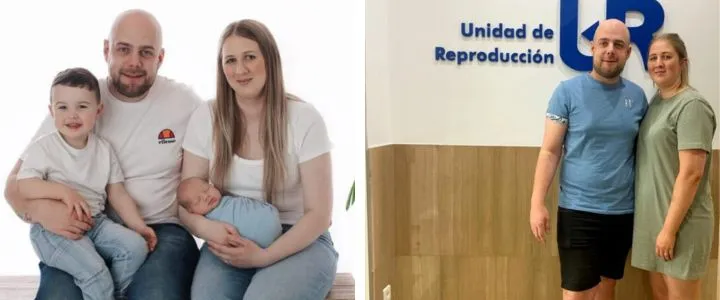
“I haven’t needed any support, but when I do contact the clinic, they’re more than happy to help, and they respond quickly. So I know they are always there in the background.” — Kirstie, patient at UR Vistahermosa, Alicante
“The psychological factor is a factor that must be taken into account. For me it counts a lot, just as much or even more than the medical matter.” — Tania, patient at Clínica Tambre, Madrid
“It has been a really positive experience from the very first appointment. All our questions were answered. If we messaged the nurse or doctor himself they got back straight away, so we were never left alone on the journey at all.” — Tonagh, patient at Pelargos IVF Clinic, Greece
“The medical team explained the options to us very clearly; resolved our doubts and answered our questions whilst giving us time to make our decision in a very measured way. We were extremely impressed with the way we were treated, respected and how we felt valued from day one.” — Cheryl, patient at Clínica Tambre, Madrid
Is IVF more painful than IUI?
The answer is: IUI is significantly less physically demanding than IVF.
In most IUI protocols, there is no egg retrieval and no sedation required. Patients undergo mild ovarian stimulation alongside IUI, but nothing approaching the level of a full IVF protocol.
IVF is more physically involved because it aims to retrieve multiple eggs for fertilisation in the laboratory—a process that requires more intensive hormonal stimulation and a minor surgical procedure.
The tradeoff is that IVF typically offers higher success rates per cycle, particularly for certain diagnoses.
Is IVF painful for men?
Male partners often ask whether they will experience pain during IVF. In most cases, the answer is no.
The standard method of sperm collection is ejaculation-based—straightforward and pain-free. In cases where sperm cannot be retrieved this way, due to a blockage or absence of sperm in the ejaculate, surgical sperm retrieval may be required. This is well-tolerated, and the care team will discuss which approach is most appropriate for each patient’s situation.
FAQ
The answers below address the most common concerns about pain and discomfort at each stage of treatment, drawing on expert guidance and patient experience.
Is IVF a painful procedure?
IVF is not typically painful, though some stages cause mild to moderate discomfort. The most physically demanding stage—egg retrieval—is performed under sedation, so patients do not feel it during the procedure. Women usually describe their overall experience as manageable.
What is the most painful part of IVF?
Egg retrieval is generally considered the most significant stage in terms of physical discomfort, mainly due to post-procedure cramping. However, this is well-managed with sedation during the procedure and over-the-counter pain relief afterwards. The injections during ovarian stimulation are a close second but most patients find them far less painful than expected.
Does the IVF injection hurt?
IVF injections cause a brief mild pinch, typically described as no worse than a small blood test. Bruising and soreness at the injection site can build up over the 10–14 day stimulation phase, but rotating sites and using a numbing cream significantly reduce discomfort. Infertility patients usually self-administer successfully after minimal training.
Is the embryo transfer procedure painful?
Embryo transfer is usually pain-free. The sensation is similar to a cervical smear test. A full bladder is required for ultrasound guidance, which can cause some pressure, but the transfer itself typically takes only a few minutes and requires no sedation.
How long does IVF pain last?
Discomfort during IVF is generally short-lived at each stage. Injection soreness resolves within hours. Post-retrieval cramping usually settles within 1–2 days. The after-transfer period may involve mild bloating and pressure for days to a few weeks, largely driven by progesterone supplementation.
Is IUI less painful than IVF?
Yes, significantly. IUI is a much less invasive procedure: no egg retrieval, no sedation, and usually no intensive ovarian stimulation.
Sources
https://www.nhs.uk/tests-and-treatments/ivf/
https://www.nice.org.uk/guidance/cg156
https://medlineplus.gov/ency/article/007279.htm
https://www.reproductivefacts.org/patient-journeys/in-vitro-fertilization-treatment/
https://www.eshre.eu/Guidelines-and-Legal/Guidelines/Ovarian-Stimulation-in-IVF-ICSI
https://www.reproductivefacts.org/news-and-publications/fact-sheets-and-infographics/in-vitro-fertilization-ivf-what-are-the-risks/
Medical Disclaimer: This article is for informational purposes only and does not replace advice from your doctor or fertility specialist. Always consult a qualified medical professional regarding your individual circumstances.